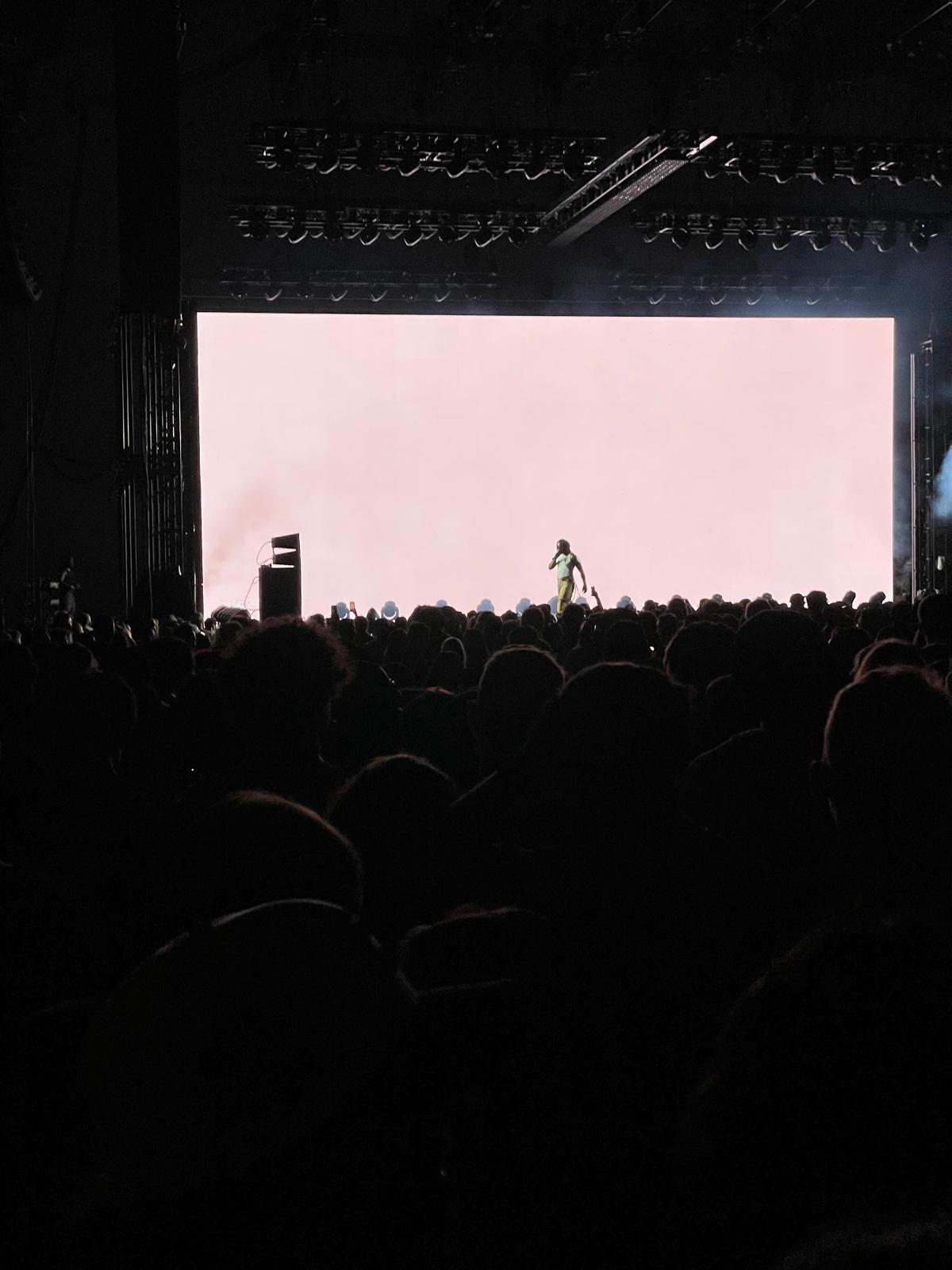
There’s a video that keeps surfacing on my feed: a bystander shakily records outside the Israeli Philharmonic’s concert in New York. Masked protestors stand silently, holding signs denouncing Israel and Zionism. As the audience files past, someone shouts for them to take the masks off, to show themselves. The protestors answer with a practiced chant — rooted in conviction, righteous.
In Israel, it’s often the artists who dissent first. The musicians, filmmakers, writers — they’re the ones who question, who plead, who refuse to look away. Silencing art doesn’t blunt power; it blunts the people who might one day reshape it.
Inside the hall, I imagine the oboe’s note calling the orchestra to order — that thin, trembling pitch searching for harmony. Maybe that’s what art is: the sound of a country trying to find itself again.
Art remains one of the few places where contradiction can live — where pain and beauty share a single breath. To deny Israeli artists a stage is to deny the possibility of empathy, of complexity, of the humanity art exists to restore.
I understand the anger, the fear. But if the goal is justice, then let the artists play. Let the films roll. Let the writers read. Because my bet is on them — that another story, another Israel, might one day be heard.