
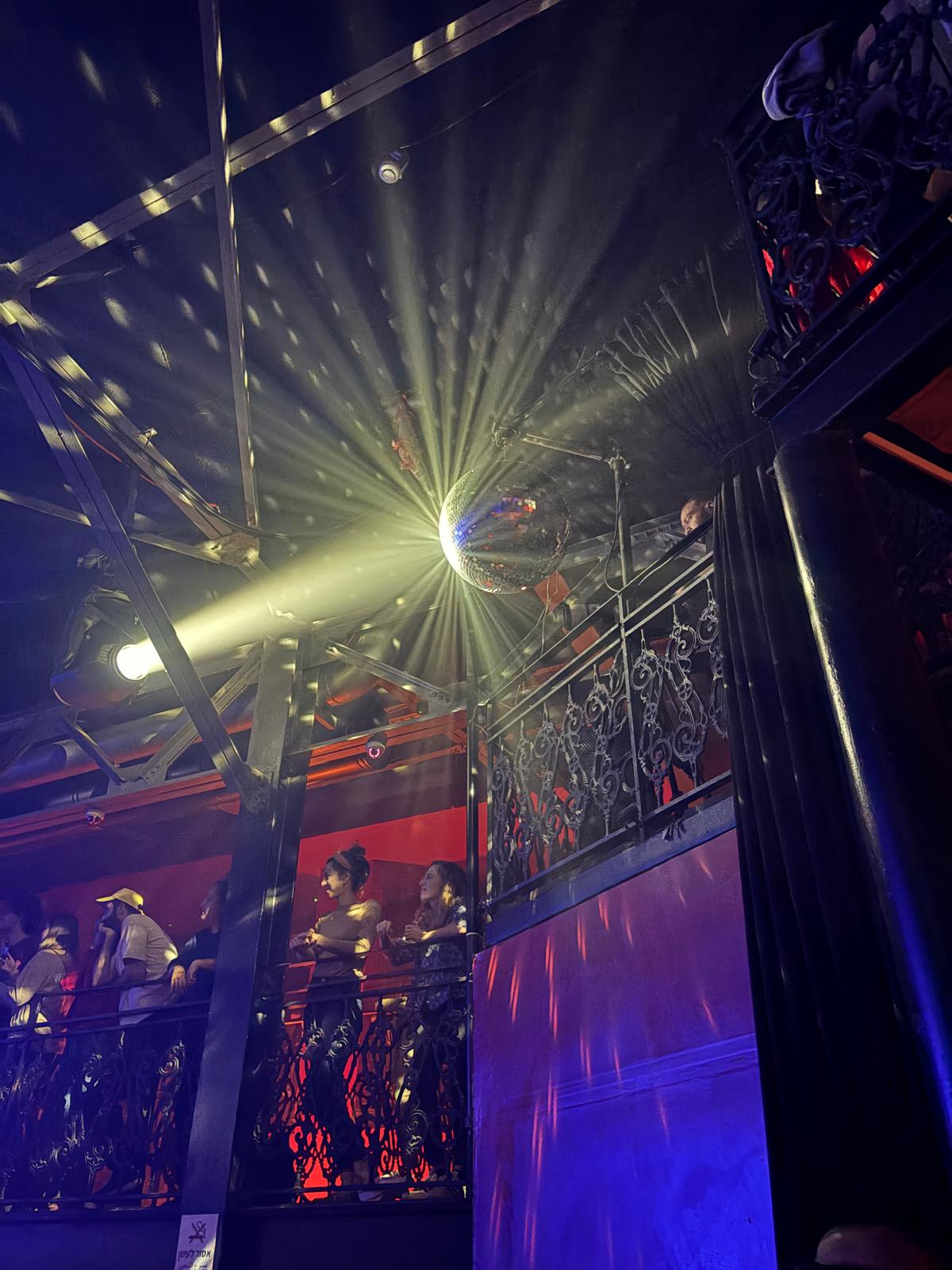
When I first came to Tel Aviv, I was nineteen and everything felt temporary – the city, my sense of self, the future. I lived in shared apartments with broken blinds and friends who came and went, ate hummus for dinner, and swam at midnight. Tel Aviv, back then, seemed like an accomplice in all of it. The city rewarded spontaneity: impromptu rooftop parties, beach bonfires, conversations that stretched until morning. We were reckless, but in a hopeful way, believing that something good was bound to happen simply because we were young and alive and in Tel Aviv.
Now, more than a decade later, people say the city has changed. That it’s lost its spark, its scruffiness, its impulsive optimism. They’re not wrong. The apartments are renovated, the corner kiosks replaced by espresso bars with terrazzo floors. There’s more artisanal ice cream on the beach than house parties. Tel Aviv feels buttoned-up, curated. You can sense the city trying to behave, as if growing up meant sanding down its edges.
But I’ve started to think that maybe it’s not the city that changed so much as we did. Maybe Tel Aviv is just reflecting us back to ourselves. When I first arrived, I was all potential—messy, curious, unplanned. The city matched that energy. Now, I plan my weekends in advance. I prefer a reservation to a surprise. The spontaneity I miss might have been mine as much as the city’s.
Still, sometimes, late at night, I catch a glimpse of the old Tel Aviv—a group of friends drinking on the grass at Charles Clore, music spilling from an open window, laughter rising above the hum of traffic—and I feel that old pulse again. Maybe the city never lost it. Maybe it’s just waiting for us to remember how to find it.