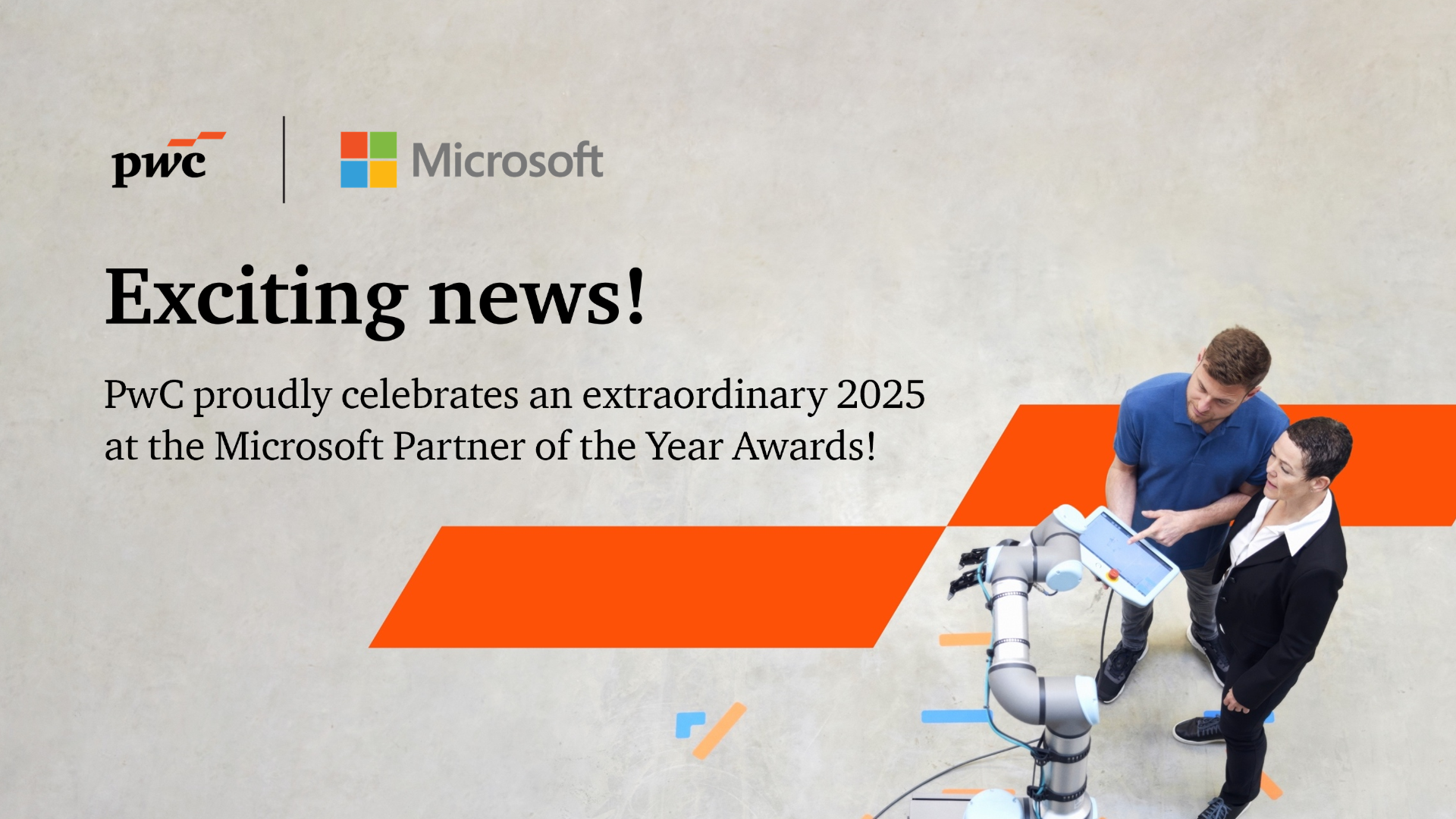
PwC’s Microsoft Alliance operates at global scale—spanning industries, platforms, regions, and thousands of stakeholders. Each year, Microsoft’s Partner of the Year awards require submissions that clearly articulate impact, innovation, and measurable outcomes across this complexity.
The stakes were high. These submissions are reviewed by Microsoft leadership and assessors, and the outcomes directly affect executive credibility, alliance momentum, and market perception. Failure would not just mean losing awards—it would mean failing to tell a coherent story about PwC’s role as Microsoft’s premier partner.
My role was to design and execute the storytelling infrastructure behind PwC’s Partner of the Year program, ensuring the work could be understood, assessed, and amplified across internal and external audiences.
The core challenge was not a lack of strong work—it was fragmentation.
PwC teams were doing technically impressive, globally distributed work with Microsoft, but:
Without intervention, even excellent work risked being invisible or misunderstood.
The strategic decision was to treat Partner of the Year not as a one-off submission exercise, but as a repeatable storytelling system.
Key decisions included:
This approach made the work scalable, legible, and strategically aligned.
Execution spanned multiple integrated workstreams, all designed to reinforce the same core narrative.


AI was used as a supporting tool, not a replacement for judgment.
Applications included:
Synthesizing interview transcripts and stakeholder inputs
Distilling complex technical material into structured tables and summaries
Supporting competitive analysis and assessor-focused framing
Developing an internal award assessor GPT to pressure-test submissions
All final narrative decisions, positioning, and design were human-led.
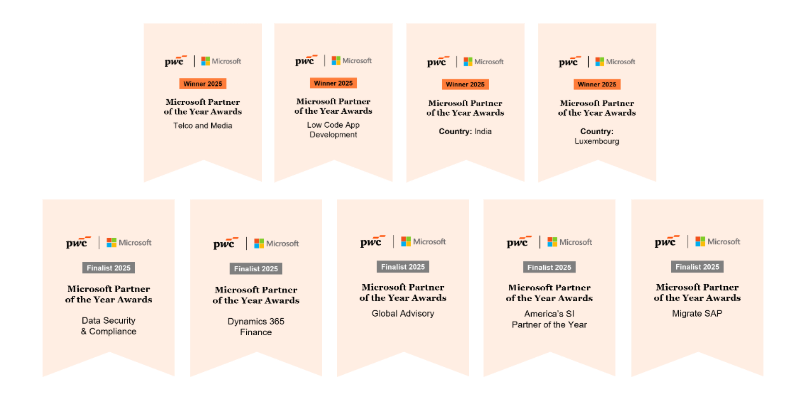
The work resulted in:
Partner of the Year became not just an award, but a strategic storytelling asset.
This project reinforced that clarity is often the hardest—and most valuable—work.
In hindsight, I would further standardize parts of the process and use AI earlier to accelerate synthesis. That said, the success came from iteration, diplomacy, and deep respect for the technical and human complexity behind the work.
The outcome was not just recognition, but cohesion.
If you’re navigating complex stakeholder ecosystems and need to turn fragmented work into a clear, compelling story, I can help.